Mastering the Art of Coin Appraisal: A Deep Dive into Evaluating Numismatic Treasures
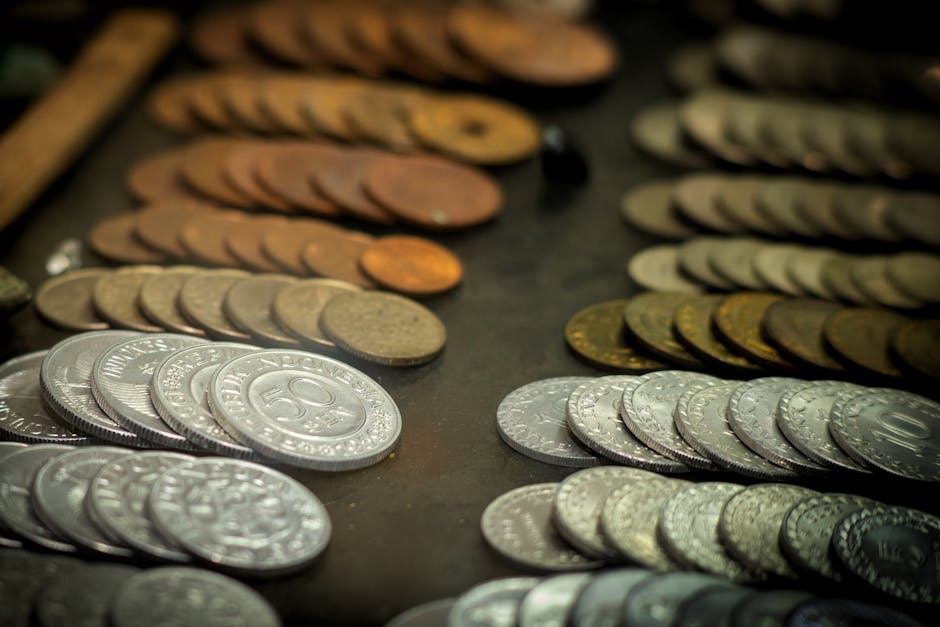
Mastering the Art of Coin Appraisal: A Deep Dive into Evaluating Numismatic Treasures
Coin appraisal is a blend of history, science, and artistry, offering invaluable insight into the true worth of numismatic treasures. Whether you’re a seasoned collector or a curious novice, understanding the nuances of appraisal unlocks opportunities to preserve legacy, invest wisely, and connect with the stories behind every piece.
This guide delves beyond surface-level advice, exploring specialized techniques, modern tools, and the cultural impact of rare coins. From identifying counterfeit pieces to navigating dynamic markets, we equip you with the knowledge to confidently assess your collection’s potential.
The Foundations of Coin Appraisal: Why It Matters
Coin appraisal begins with recognizing that not all coins hold equal value. Factors like rarity, condition, historical context, and mintage numbers determine a coin’s worth. These variables create a complex landscape where even similar-looking coins can differ drastically in price.
Rarity plays a pivotal role. Coins with limited production runs, especially those lost over time, often command premium prices. For example, a well-preserved Morgan silver dollar from 1893 may fetch thousands, while a circulated version holds mere cents. Understanding these distinctions is crucial for informed decisions.
Condition is equally vital. Grading systems like the Sheldon Scale (1–70) provide standardized benchmarks. A “Mint State 65” coin retains full luster with minimal imperfections, whereas a “Very Fine 35” shows noticeable wear. Accurate grading ensures fair valuation across transactions and insurance claims.
Historical significance adds emotional and monetary weight. Coins tied to pivotal events—a Confederate States $1 note or a Kennedy half-dollar from 1964—are coveted for their narratives. Appraising requires balancing objective metrics with subjective appreciation for these stories.
- Rarity: Limited mintage numbers increase desirability, but popularity also matters; some low-mintage issues may remain obscure unless widely sought after.
- Historical Context: Political shifts, design changes, and errors (like double dies) enhance a coin’s allure, making contextual research indispensable.
Tools of the Trade: Essential Resources for Accurate Appraisal
Modern technology has revolutionized coin appraisal, providing access to advanced imaging, data analytics, and global marketplaces. Yet, traditional methods like hand magnification and tactile inspection remain irreplaceable for detecting subtle flaws or alterations.
Online catalogs such as PCGS Price Guide, NGC Coin Explorer, and Heritage Auctions’ databases offer instant comparisons of auction results, current bid ranges, and historical sales. These tools help track trends, though they shouldn’t replace expert judgment entirely.
Digital Imaging and Authentication Tech
High-resolution scanners and microscopes reveal microscopic details invisible to the naked eye. For instance, checking for reeding inconsistencies or die cracks helps distinguish genuine coins from counterfeits. Some collectors invest in UV lights to detect altered finishes or coatings.
AI-driven platforms like MintDigest and CoinFacts analyze vast datasets to predict future valuations based on past performance. While useful, these models occasionally fail to account for niche demand spikes, emphasizing the need for human expertise.
The Role of Certification Services: Trust and Transparency
Certified grading services act as intermediaries, verifying authenticity and assigning official grades. Their seals of approval significantly boost resale value and reduce disputes among buyers and sellers. However, selecting the right service depends on your goals and budget.
Leading firms like Professional Coin Grading Service (PCGS) and Numismatic Guaranty Corporation (NGC) employ teams of specialists who evaluate coins using strict criteria. Their encapsulated holders protect against tampering and serve as proof of grade, though certified coins typically cost upwards of $50 per submission.
Third-party certifications offer benefits beyond valuation—they standardize the industry and foster trust. Collectors rely on graded coins for insurance purposes, knowing their assessed value aligns with recognized standards.
Beware of lesser-known services that promise fast turnaround times or lower fees. Without rigorous oversight, these entities risk undermining credibility. Always verify a service’s reputation before submitting high-value items.
Practical Steps to Begin Your Appraisal Journey
Start by cataloging your holdings, noting dates, mint marks, and serial numbers. This inventory streamlines research and helps identify patterns or anomalies requiring closer examination. Digital photography captures fine details for later analysis.
Consult authoritative references like the Red Book (A Guide Book of United States Coins) or specialist publications focused on foreign currency. These guides outline pricing guidelines, though regional variations mean local dealers may offer different assessments.
Attend local coin club meetings or virtual webinars hosted by organizations like the American Numismatic Association (ANA). Networking with professionals provides firsthand experience and clarifies doubts about tricky identification challenges.
If uncertainty persists, seek guidance from accredited graders or licensed appraisers. They can authenticate questionable finds, advise on conservation practices, and recommend optimal storage solutions to prevent degradation over time.
Navigating Market Trends: What Drives Value?
Coin values fluctuate due to supply-demand imbalances, macroeconomic factors, and shifting investor sentiment. For example, during inflationary periods, gold-backed coins gain traction as safe-haven assets, while paper money loses appeal. Staying attuned to these forces is critical for strategic trading.
Economic indicators influence collectible markets indirectly. Interest rates affect borrowing costs, impacting investors’ willingness to allocate capital toward long-term appreciating assets like vintage coins. Similarly, geopolitical tensions can elevate demand for politically significant denominations.
Digitalization accelerates transparency but introduces volatility. Online marketplaces enable rapid price discovery, yet algorithmic bidding sometimes creates artificial bubbles. Monitoring platforms like eBay, CoinGecko, and social media groups reveals emerging niches or sudden drops in particular series.
Trends favor certain eras or themes annually. In recent years, early 20th-century commemoratives and error coins have surged in popularity, reflecting broader interests in historical artifacts and craftsmanship. Remaining adaptable to these cycles enhances profitability.
Case Studies: Real-World Applications of Appraisal Skills
A 2021 incident highlighted the dangers of unverified acquisitions when a collector purchased what he believed was a 1913 Liberty Head nickel for $2 million only to discover it was a forged replica. Proper appraisal procedures—including ultrasonic testing and chemical analysis—could have exposed the fraud beforehand.
Conversely, meticulous appraisal uncovered a previously unknown 1804 Dollar in a private estate sale, fetching $4.5 million at Sotheby’s. Its rarity and pristine state made it a landmark find, underscoring how precise evaluation can unlock hidden wealth.
Such extremes illustrate the stakes involved. Underestimating a coin’s worth risks losing out on lucrative opportunities, while overvaluation leads to financial loss upon resale. Balancing caution with calculated confidence defines successful appraisal practice.
Beginners can learn from these cases by investing in education rather than speculation. Courses offered by institutions like the ANA teach fundamental skills, reducing reliance solely on luck or intuition.
The Future of Coin Appraisal: Innovations and Challenges Ahead
Advancements in blockchain technology promise greater security for provenance tracking. By recording ownership histories immutably, smart contracts could streamline transfers and deter illicit activity within the trade. Early adopters experiment with NFT-based representations of physical coins.
However, technological progress brings ethical dilemmas. AI-generated replicas pose unprecedented threats to authenticity verification. As synthetic materials become indistinguishable from originals, traditional grading methodologies must evolve accordingly.
Sustainability concerns also emerge. Eco-friendly cleaning agents and biodegradable packaging options cater to environmentally conscious collectors seeking responsible preservation methods. Industry leaders advocate for greener alternatives without compromising quality assurance standards.
Globalization expands horizons but complicates regulation. Cross-border transactions require adherence to varying legal frameworks governing exports/imports, taxes, and customs duties. Navigating international complexities demands additional diligence from cross-border traders.
Conclusion
Coin appraisal transcends simple price tagging—it encompasses storytelling, scientific inquiry, and financial acumen. Mastery of this craft empowers individuals to safeguard heritage, optimize investments, and contribute meaningfully to numismatics communities worldwide.
Whether assessing a humble Lincoln cent or tracing the lineage of ancient Roman denarii, approach each challenge with curiosity and rigor. Engage actively with forums like CoinVac, attend seminars, and never stop refining your analytical toolkit. The world of coins rewards those willing to look deeper than face value.

news is a contributor at CoinVac.com. We are committed to providing well-researched, accurate, and valuable content to our readers.