Advanced Numismatic Tools Techniques and Methods
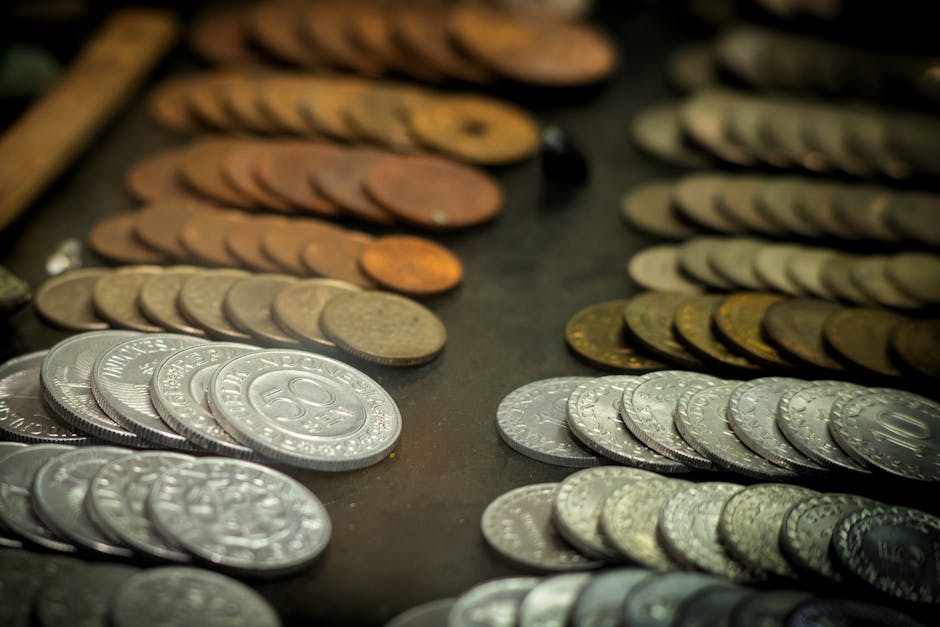
The Ultimate Numismatist’s Toolbox: Essential Tools for Coin Collectors
In the intricate world of coin collecting, possessing the right numismatic tools can make all the difference between casual curiosity and serious connoisseurship. From magnifying glasses to grading systems, these specialized instruments are not merely accessories but essential components that enable collectors to authenticate, preserve, and appreciate their precious holdings.
This comprehensive guide explores the indispensable tools every dedicated numismatist should have at hand, covering everything from basic inspection equipment to advanced authentication technologies. Whether you’re an experienced collector or new to the hobby, understanding which tools will elevate your experience is crucial for navigating the complex landscape of numismatic study and appreciation.
Fundamental Inspection Equipment
The journey into numismatic exploration begins with simple yet vital tools designed for close examination of coins. A high-quality loupe, typically offering 8x magnification, allows collectors to inspect fine details such as mint marks, inscriptions, and surface textures that may not be visible to the naked eye.
Complementing the loupe, LED magnifiers provide adjustable lighting that illuminates even the smallest features without damaging the coin’s patina. These devices often include zoom capabilities ranging from 10x to 60x magnification, making them invaluable for identifying subtle wear patterns or potential counterfeits.
- Magnification Power: Choose between fixed or variable power options based on collection needs and budget constraints
- Lens Quality: Look for anti-reflection coatings and precision-ground glass for clearer image quality
Authentication and Verification Systems
Ensuring the authenticity of rare coins requires sophisticated verification methods beyond visual inspection alone. Professional-grade ultraviolet lights help detect chemical alterations by revealing hidden markings or residues left during counterfeit production processes.
Digital microscopes equipped with imaging software allow for precise documentation and comparison against certified reference materials. This technology enables collectors to analyze microscopic elements like die impressions and metal composition with scientific accuracy.
Spectral Analysis Techniques
Advanced numismatic laboratories employ X-ray fluorescence spectrometry to determine elemental composition non-invasively. This method identifies anomalies in alloy mixtures that could indicate tampering or improper minting practices.
Portable Raman spectroscopy units offer field-ready solutions for detecting organic compounds used in cleaning agents or restoration efforts. These handheld devices quickly identify substances that might compromise a coin’s historical integrity.
Coin Grading Instruments
Achieving accurate gradings necessitates standardized evaluation tools that measure both physical condition and aesthetic qualities. The Sheldon Scale remains the industry benchmark, requiring collectors to assess factors like luster preservation and strike definition using calibrated references.
Electronic grading scales incorporate light sensors and digital interfaces to quantify weight distribution across different areas of a coin. Some models integrate AI algorithms trained on thousands of graded specimens to suggest approximate grades based on objective measurements.
Preservation and Conservation Supplies
Protecting numismatic assets involves careful selection of storage media and environmental controls. Acid-free archival sleeves prevent chemical reactions while UV-resistant plastic cases shield against harmful radiation exposure over time.
Desiccant packets placed inside display cabinets maintain optimal humidity levels below 40%, preventing oxidation that leads to toning changes and structural degradation. Climate-controlled vaults further ensure consistent temperature regulation around 68°F (20°C) ideal for long-term conservation.
Research and Documentation Resources
Modern numismatics thrives on access to extensive databases containing historical records, price guides, and provenance information. Online platforms now offer interactive catalogs where users can cross-reference attributes against verified listings from major auction houses.
Dedicated research software packages compile data from multiple sources including PCGS, NGC, and ANACS grading reports. These programs generate comparative analyses showing market trends for similar issues across various mintage years and rarity levels.
Educational Development Materials
Continuous learning through structured educational resources helps collectors refine their expertise. Workshops hosted by professional organizations teach identification techniques and ethical acquisition standards crucial for responsible collecting practices.
Subscription-based online courses provide step-by-step instruction on topics ranging from ancient currency history to modern bullion investment strategies. Interactive modules featuring virtual coin examinations enhance practical knowledge retention rates significantly.
Community Engagement Platforms
Vibrant numismatic communities foster shared experiences through forums, social media groups, and local club meetings. These networks facilitate peer reviews of questionable acquisitions and exchange of technical advice regarding proper handling procedures.
Virtual trade shows and live streaming events connect global audiences with expert appraisers who demonstrate valuation methodologies in real-time scenarios. Such interactions build confidence among novice collectors seeking guidance on authenticating scarce specimens.
Emerging Technologies in Numismatic Study
Innovations continue reshaping how enthusiasts approach coin analysis today. 3D scanning technology captures minute surface characteristics digitally, enabling comparisons between original dies and suspected replicas with unprecedented precision.
Blockchain integration offers secure tracking mechanisms for verifying ownership histories and ensuring transparent transaction records within the collectibles market space. Smart contracts automate certification processes reducing human error margins considerably.
Conclusion
The evolution of numismatic tools reflects broader technological advancements influencing numerous fields worldwide. As new discoveries emerge annually, staying informed about cutting-edge innovations becomes increasingly vital for maintaining competitive advantage within the hobby.
To thrive in contemporary numismatics, collectors must embrace both traditional craftsmanship and digital sophistication. By mastering this dual approach, enthusiasts unlock deeper understandings of monetary heritage while safeguarding their investments effectively for generations ahead.

news is a contributor at CoinVac.com. We are committed to providing well-researched, accurate, and valuable content to our readers.