Coinage of the Delhi Sultanate and Mughal India: A Numismatic Overview
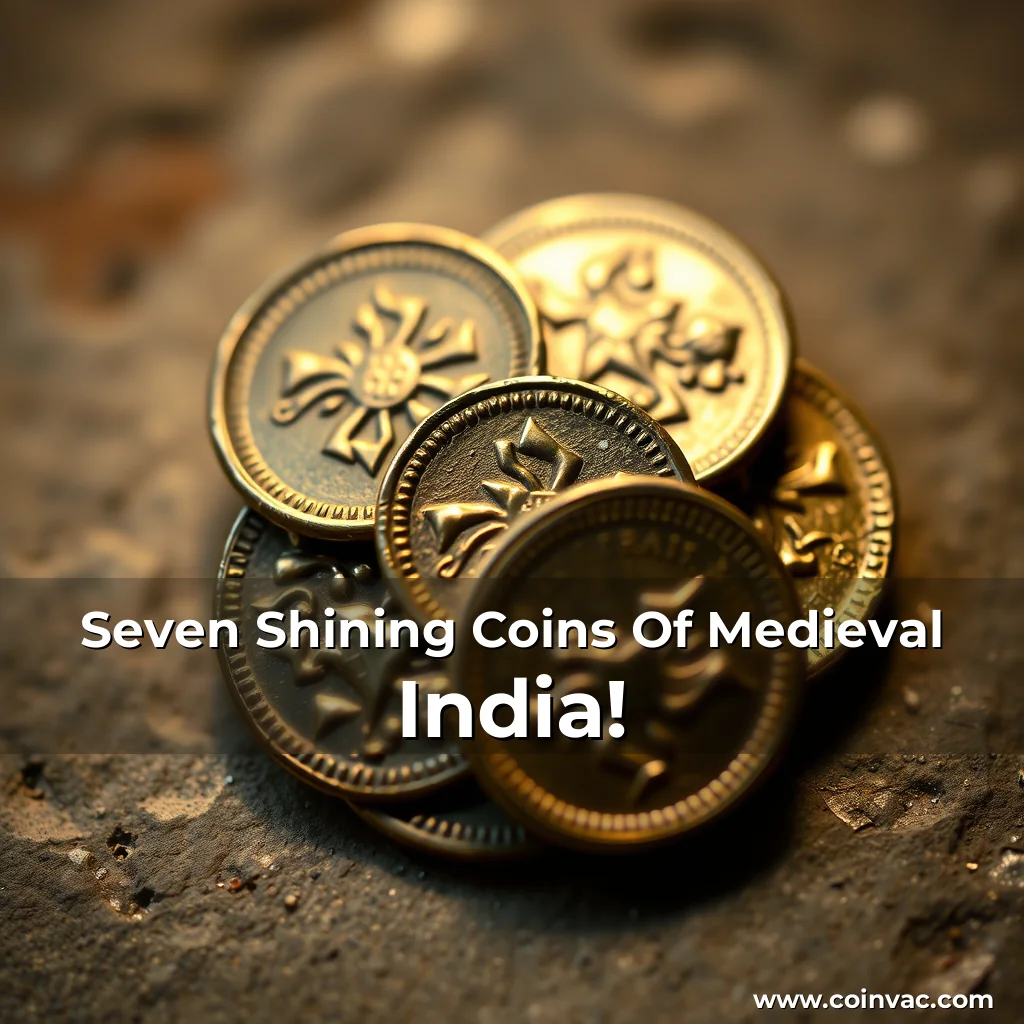
Medieval and early-modern India produced some of the most historically layered coinage of any region in the world -- currency that shifted through the Delhi Sultanate, the rise of regional kingdoms, and the vast, centralized Mughal Empire, each leaving behind a distinct numismatic record. For collectors interested in history that predates and parallels European coinage of the same centuries, Indian coinage offers a genuinely rich, still-accessible field.
The Delhi Sultanate and the jital
The Delhi Sultanate, which ruled large parts of northern India from the early 13th century, issued coinage reflecting both its Islamic administrative traditions and the regional monetary systems it inherited and adapted. The jital, a small silver (and later billon, a low-grade silver alloy) coin, became one of the Sultanate's most widely circulated denominations, used broadly in everyday trade, taxation, and land revenue collection. Sultanate coinage generally favored calligraphic inscriptions -- the ruler's name and title, religious phrases, the mint and date -- over figural portraiture, following the broader artistic conventions of Islamic coinage of the period rather than depicting rulers directly.
The rise of the Mughal Empire's monetary system
When the Mughal Empire consolidated control over much of the Indian subcontinent starting in the 16th century, it inherited a fragmented regional coinage landscape and gradually imposed a more standardized trimetallic system: gold, silver, and copper coinage each with its own denomination structure. This standardization is often credited in large part to reforms associated with Sher Shah Suri, whose mid-16th-century monetary system -- built around a silver rupee and a copper dam -- proved durable enough that the Mughals adopted and refined it after regaining power, and elements of that structure influenced Indian coinage for centuries afterward.
The silver rupee and copper dam
The silver rupee became the Mughal Empire's standard silver denomination, struck at mints across the empire's vast territory and, notably, minted with dies specific to each regional mint -- meaning a rupee's mint of origin can often be identified directly from its inscriptions, similar in spirit to how a modern coin's mint mark identifies its origin. The copper dam served as the empire's base-metal workhorse denomination, used for everyday small transactions across the population, standardized in weight and value relative to the rupee as part of the same broader monetary reform.
Gold coinage and the introduction of portraiture
Mughal gold coinage, most notably the mohur, represented the empire's highest-value circulating denomination, struck in high-purity gold and often featuring elaborate calligraphic designs reflecting Persian and Central Asian artistic influence that the Mughal dynasty carried with it into India. A genuinely notable numismatic development came under Emperor Jahangir in the early 17th century, who broke from the calligraphy-only convention of earlier Mughal and Sultanate coinage by introducing coins bearing his own portrait -- and, in some remarkable and highly prized issues, coins depicting him holding a wine cup, or coins struck for the twelve signs of the zodiac. This portraiture innovation was unusual for Islamic coinage of the era and makes Jahangir-period gold coinage some of the most sought-after and artistically distinctive material in the entire Mughal series.
What makes this coinage collectible today
Medieval and Mughal Indian coins survive today in meaningful quantities thanks to India's long tradition of hoarding coinage for safekeeping, much of it never reclaimed by its original owners and later recovered. This gives collectors real access to genuine centuries-old coinage without requiring museum-level budgets for common types, while individually significant issues -- rare mints, unusual denominations, and especially Jahangir's portrait and zodiac coinage -- command real premiums reflecting both their rarity and their historical and artistic significance.
Reading a coin's inscriptions
Because Sultanate and most Mughal coinage relied on inscriptions rather than portraits for identification, attributing a specific coin to its ruler, mint, and date generally means reading its Persian or Arabic script legends rather than recognizing a face -- a skill that takes real study but is well documented in specialist reference catalogs for the period. For collectors newer to the field, working from a reputable, well-illustrated reference catalog alongside any potential purchase is the standard and most reliable way to confirm attribution before relying on a seller's description alone.
General historical information for collectors; specific coin attributions, dates, and values should be confirmed against a specialist reference catalog or a qualified numismatist before any purchase or sale decision.
What survives from the Delhi Sultanate era
Beyond the jital, the Sultanate period produced a range of denominations reflecting the administrative needs of a large, diverse territory -- gold tankas for high-value transactions, and various copper issues for everyday local trade, often varying by region and by individual sultan's reforms. Sultanate coinage is also historically significant for documenting a succession of ruling dynasties -- the Mamluk, Khalji, Tughlaq, Sayyid, and Lodi dynasties each left their own inscribed coinage, giving collectors and historians a continuous, datable numismatic record spanning over three centuries of political change in northern India.
Building a focused collection in this area
Given the breadth of the field, a practical starting point is picking one dynasty or one ruler's reign as an initial focus -- Sher Shah Suri's reform-era coinage, or a specific well-documented Mughal emperor's rupee series, for example -- rather than attempting to represent the entire multi-century span at once. Specialist references covering Indian Islamic and Mughal coinage specifically (distinct from general world-coin catalogs) are the most reliable tool for accurate attribution, and are worth acquiring before making any significant purchase in this category.