The Altcoin Revolution: Unveiling the World Beyond Bitcoin
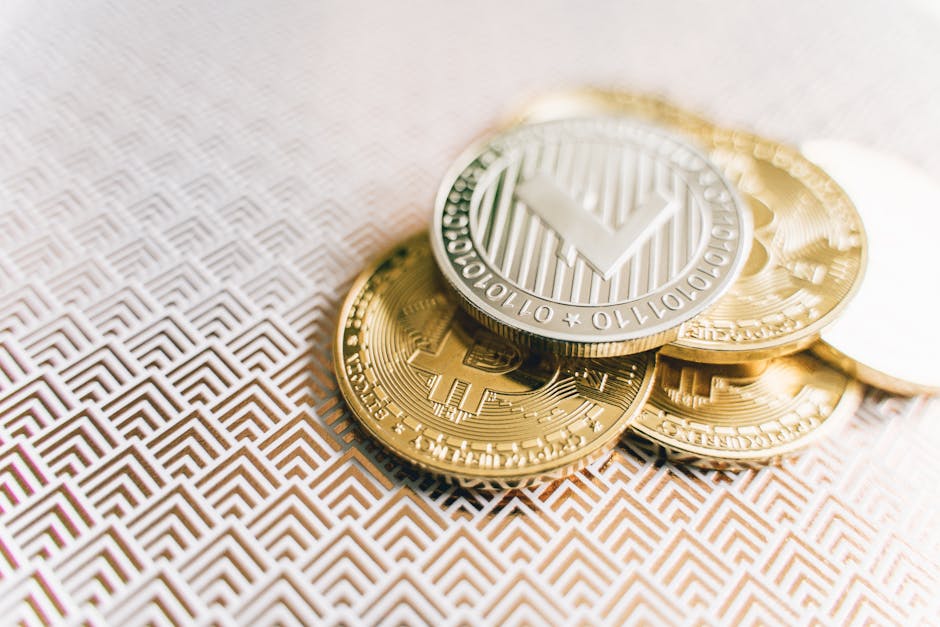
The Altcoin Revolution: Unveiling the World Beyond Bitcoin
In an era where digital currencies have become mainstream, the term “altcoin” has emerged as both a buzzword and a necessity. While Bitcoin remains the most recognized cryptocurrency, its cousins—known collectively as alternative coins or altcoins—are reshaping the financial landscape.
This article delves deep into the world of altcoins, exploring their origins, diverse functionalities, market dynamics, investment potential, security considerations, future trends, and much more. Whether you’re a seasoned investor or a curious novice, understanding altcoins is crucial in today’s decentralized economy.
What Exactly Are Altcoins?
Altcoins are cryptocurrencies that serve as alternatives to Bitcoin. They include Ethereum, Ripple, Litecoin, and thousands of others, each designed with different objectives and features.
While Bitcoin was the first cryptocurrency, altcoins have expanded the scope of blockchain technology beyond simple peer-to-peer transactions. This innovation has led to the development of specialized applications such as smart contracts, privacy-focused networks, and decentralized finance platforms.
- Diversity: Altcoins vary widely in purpose, from enhancing transaction speed to providing anonymity.
- Competition: The presence of numerous altcoins fosters competition, driving technological advancements and lowering costs through economies of scale.
The Evolution of Altcoins
The history of altcoins begins shortly after Bitcoin’s creation in 2009. Developers sought to address Bitcoin’s limitations by creating new systems tailored to specific needs.
Late 2010 saw the launch of Namecoin, which introduced domain name registration using blockchain. Shortly thereafter, Litecoin emerged in 2011, focusing on faster transaction times than Bitcoin.
Ethereum revolutionized the space in 2015 with its introduction of smart contracts, enabling programmable blockchain interactions. This breakthrough opened doors for decentralized applications (dApps) and initial coin offerings (ICOs).
The late 2010s brought exponential growth, driven by increased institutional interest and regulatory scrutiny. Today, over 10,000 altcoins exist, reflecting the industry’s rapid expansion and diversification.
Understanding Different Types of Altcoins
Altcoins can be categorized based on their primary functions and technologies. Understanding these categories helps investors identify opportunities aligned with their goals.
Utility Tokens: These tokens provide access to services within a particular platform. For example, Filecoin enables users to rent storage space on distributed networks.
Security Tokens: Representing ownership stakes in companies or assets, they function similarly to traditional stocks but operate on blockchain networks.
Governance Tokens: Allow holders to vote on decisions affecting a project, promoting decentralization and community involvement.
Stablecoins: Pegged to stable assets like fiat currency or commodities, they minimize volatility. Tether (USDT), USD Coin (USDC), and Binance USD (BUSD) are prominent examples.
Market Dynamics and Volatility
The altcoin market is known for extreme price fluctuations, influenced by factors ranging from macroeconomic conditions to social media sentiment.
Volatility presents significant risks but also offers substantial rewards for those who understand market cycles and manage risk effectively. Investors must remain vigilant against sudden price drops caused by news events, regulatory changes, or technical issues.
For instance, the collapse of Terra Luna in May 2022 triggered widespread panic across the crypto market, demonstrating how interconnected altcoins can be during crises.
Despite high volatility, many altcoins exhibit long-term value appreciation when backed by strong fundamentals and real-world adoption.
Investment Strategies for Altcoins
Approaching altcoin investments requires careful consideration of various strategies suited to individual risk tolerance levels and financial goals.
HODLing: Holding onto selected altcoins regardless of short-term price movements is popular among long-term believers in a project’s vision.
Dollar-Cost Averaging (DCA): Regularly investing fixed amounts at set intervals reduces exposure to market timing challenges.
Day Trading: Suitable for experienced traders, it involves buying low and selling high within short time frames while managing stop-loss orders carefully.
Position Sizing: Allocating appropriate percentages of your portfolio towards altcoins ensures balanced risk distribution without overexposure.
Each strategy carries distinct advantages; choosing wisely depends largely upon personal circumstances and market analysis skills.
Risks Involved in Investing in Altcoins
While altcoins offer exciting prospects, they come with inherent risks that every investor should consider before committing capital.
Regulatory Uncertainty: Governments worldwide continue grappling with how best to regulate digital assets, leading to unpredictable policy shifts impacting markets negatively.
Technological Vulnerabilities: Smart contract flaws or poor code implementation may result in hacking incidents draining user funds permanently.
Scams & Fraud: Many projects lack transparency or legitimacy, making them susceptible targets for fraudsters seeking quick profits at others’ expense.
Mismanagement: Inadequate governance structures sometimes lead to misuse of resources or misaligned incentives between developers and token holders.
Safety Measures When Dealing With Altcoins
To protect oneself from potential threats associated with altcoin trading, adopting robust safety measures becomes essential.
Cold Storage Solutions: Storing private keys offline via hardware wallets significantly minimizes theft risks compared to hot wallet solutions exposed online constantly.
KYC Verification Processes: Ensuring exchanges adhere strictly to Know Your Customer protocols enhances account security against unauthorized access attempts.
Multi-Factor Authentication (MFA): Implementing additional verification layers adds another layer of protection against cyberattacks targeting login credentials directly.
Regular Audits: Conducting periodic reviews of software updates and patch implementations maintains system integrity continuously.
By prioritizing cybersecurity practices proactively, individuals increase chances substantially toward safeguarding their digital wealth successfully.
Futures of Altcoins: Trends Shaping Tomorrow’s Market
The future looks promising yet uncertain for altcoins amid evolving technological landscapes shaped heavily by artificial intelligence integration and quantum computing possibilities looming ahead.
Emerging trends suggest continued emphasis placed increasingly upon sustainability initiatives aimed reducing environmental footprints left behind traditional mining operations previously relied solely on proof-of-work mechanisms.
Adoption rates accelerated further due primarily because businesses began recognizing tangible benefits derived therefrom regarding operational efficiencies achieved through automation facilitated by dApp ecosystems built atop blockchain frameworks.
As global economic paradigms shift rapidly toward digitization processes intensifying demand forecasts predictably higher growth trajectories expected forthcoming years especially concerning cross-border payment solutions utilizing fast settlement speeds characteristic found predominantly amongst certain types altcoins specifically engineered purposefully fulfill such requirements precisely.
Conclusion
Altcoins represent not merely monetary instruments but rather revolutionary tools capable transforming entire industries redefining what we know about money itself fundamentally altering our perception thereof forevermore.
Whether aiming towards generating passive income streams leveraging yield farming techniques available exclusively inside DeFi environments or simply wishing explore novel ways interact digitally economically, embracing knowledge surrounding alternative cryptocurrencies proves invaluable step forward navigating complexities modern financial systems present daily nowadays.
“`html
“`
The Altcoin Revolution: Unveiling the World Beyond Bitcoin
In an era where digital currencies have become mainstream, the term “altcoin” has emerged as both a buzzword and a necessity. While Bitcoin remains the most recognized cryptocurrency, its cousins—known collectively as alternative coins or altcoins—are reshaping the financial landscape.
This article delves deep into the world of altcoins, exploring their origins, diverse functionalities, market dynamics, investment potential, security considerations, future trends, and much more. Whether you’re a seasoned investor or a curious novice, understanding altcoins is crucial in today’s decentralized economy.
What Exactly Are Altcoins?
Altcoins are cryptocurrencies that serve as alternatives to Bitcoin. They include Ethereum, Ripple, Litecoin, and thousands of others, each designed with different objectives and features.
While Bitcoin was the first cryptocurrency, altcoins have expanded the scope of blockchain technology beyond simple peer-to-peer transactions. This innovation has led to the development of specialized applications such as smart contracts, privacy-focused networks, and decentralized finance platforms.
- Diversity: Altcoins vary widely in purpose, from enhancing transaction speed to providing anonymity.
- Competition: The presence of numerous altcoins fosters competition, driving technological advancements and lowering costs through economies of scale.
The Evolution of Altcoins
The history of altcoins begins shortly after Bitcoin’s creation in 2009. Developers sought to address Bitcoin’s limitations by creating new systems tailored to specific needs.
Late 2010 saw the launch of Namecoin, which introduced domain name registration using blockchain. Shortly thereafter, Litecoin emerged in 2011, focusing on faster transaction times than Bitcoin.
Ethereum revolutionized the space in 2015 with its introduction of smart contracts, enabling programmable blockchain interactions. This breakthrough opened doors for decentralized applications (dApps) and initial coin offerings (ICOs).
The late 2010s brought exponential growth, driven by increased institutional interest and regulatory scrutiny. Today, over 10,000 altcoins exist, reflecting the industry’s rapid expansion and diversification.
Understanding Different Types of Altcoins
Altcoins can be categorized based on their primary functions and technologies. Understanding these categories helps investors identify opportunities aligned with their goals.
Utility Tokens: These tokens provide access to services within a particular platform. For example, Filecoin enables users to rent storage space on distributed networks.
Security Tokens: Representing ownership stakes in companies or assets, they function similarly to traditional stocks but operate on blockchain networks.
Governance Tokens: Allow holders to vote on decisions affecting a project, promoting decentralization and community involvement.
Stablecoins: Pegged to stable assets like fiat currency or commodities, they minimize volatility. Tether (USDT), USD Coin (USDC), and Binance USD (BUSD) are prominent examples.
Market Dynamics and Volatility
The altcoin market is known for extreme price fluctuations, influenced by factors ranging from macroeconomic conditions to social media sentiment.
Volatility presents significant risks but also offers substantial rewards for those who understand market cycles and manage risk effectively. Investors must remain vigilant against sudden price drops caused by news events, regulatory changes, or technical issues.
For instance, the collapse of Terra Luna in May 2022 triggered widespread panic across the crypto market, demonstrating how interconnected altcoins can be during crises.
Despite high volatility, many altcoins exhibit long-term value appreciation when backed by strong fundamentals and real-world adoption.
Investment Strategies for Altcoins
Approaching altcoin investments requires careful consideration of various strategies suited to individual risk tolerance levels and financial goals.
HODLing: Holding onto selected altcoins regardless of short-term price movements is popular among long-term believers in a project’s vision.
Dollar-Cost Averaging (DCA): Regularly investing fixed amounts at set intervals reduces exposure to market timing challenges.
Day Trading: Suitable for experienced traders, it involves buying low and selling high within short time frames while managing stop-loss orders carefully.
Position Sizing: Allocating appropriate percentages of your portfolio towards altcoins ensures balanced risk distribution without overexposure.
Each strategy carries distinct advantages; choosing wisely depends largely upon personal circumstances and market analysis skills.
Risks Involved in Investing in Altcoins
While altcoins offer exciting prospects, they come with inherent risks that every investor should consider before committing capital.
Regulatory Uncertainty: Governments worldwide continue grappling with how best to regulate digital assets, leading to unpredictable policy shifts impacting markets negatively.
Technological Vulnerabilities: Smart contract flaws or poor code implementation may result in hacking incidents draining user funds permanently.
Scams & Fraud: Many projects lack transparency or legitimacy, making them susceptible targets for fraudsters seeking quick profits at others’ expense.
Mismanagement: Inadequate governance structures sometimes lead to misuse of resources or misaligned incentives between developers and token holders.
Safety Measures When Dealing With Altcoins
To protect oneself from potential threats associated with altcoin trading, adopting robust safety measures becomes essential.
Cold Storage Solutions: Storing private keys offline via hardware wallets significantly minimizes theft risks compared to hot wallet solutions exposed online constantly.
KYC Verification Processes: Ensuring exchanges adhere strictly to Know Your Customer protocols enhances account security against unauthorized access attempts.
Multi-Factor Authentication (MFA): Implementing additional verification layers adds another layer of protection against cyberattacks targeting login credentials directly.
Regular Audits: Conducting periodic reviews of software updates and patch implementations maintains system integrity continuously.
By prioritizing cybersecurity practices proactively, individuals increase chances substantially toward safeguarding their digital wealth successfully.
Futures of Altcoins: Trends Shaping Tomorrow’s Market
The future looks promising yet uncertain for altcoins amid evolving technological landscapes shaped heavily by artificial intelligence integration and quantum computing possibilities looming ahead.
Emerging trends suggest continued emphasis placed increasingly upon sustainability initiatives aimed reducing environmental footprints left behind traditional mining operations previously relied solely on proof-of-work mechanisms.
Adoption rates accelerated further due primarily because businesses began recognizing tangible benefits derived therefrom regarding operational efficiencies achieved through automation facilitated by dApp ecosystems built atop blockchain frameworks.
As global economic paradigms shift rapidly toward digitization processes intensifying demand forecasts predictably higher growth trajectories expected forthcoming years especially concerning cross-border payment solutions utilizing fast settlement speeds characteristic found predominantly amongst certain types altcoins specifically engineered purposefully fulfill such requirements precisely.
Conclusion
Altcoins represent not merely monetary instruments but rather revolutionary tools capable transforming entire industries redefining what we know about money itself fundamentally altering our perception thereof forevermore.
Whether aiming towards generating passive income streams leveraging yield farming techniques available exclusively inside DeFi environments or simply wishing explore novel ways interact digitally economically, embracing knowledge surrounding alternative cryptocurrencies proves invaluable step forward navigating complexities modern financial systems present daily nowadays.
“`html
“`

news is a contributor at CoinVac.com. We are committed to providing well-researched, accurate, and valuable content to our readers.