The Ultimate Showcase: Mastering Coin Display Cases for Collectors and Enthusiasts
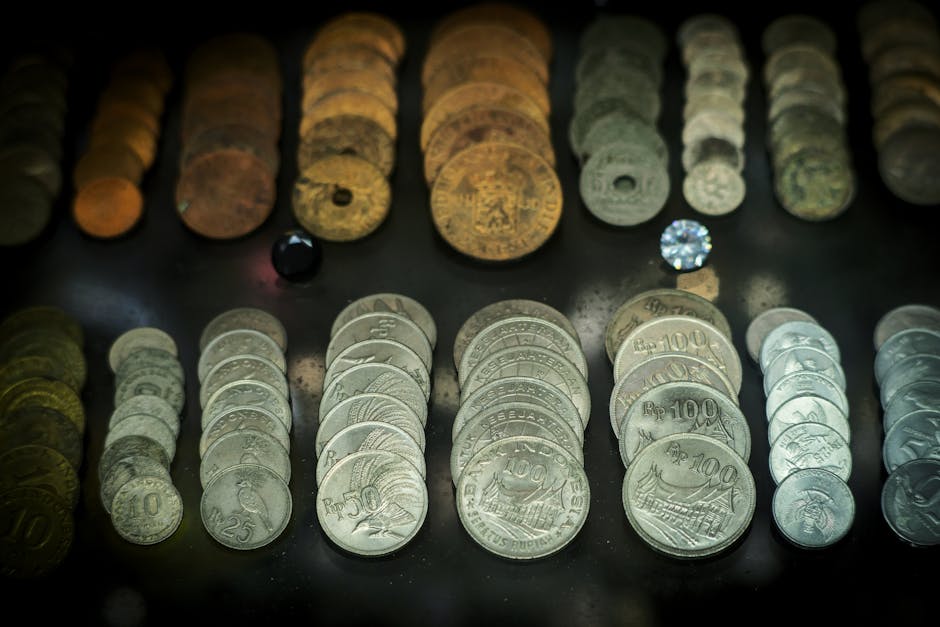
The Ultimate Showcase: Mastering Coin Display Cases for Collectors and Enthusiasts
Coin display cases are essential tools for preserving the beauty and value of numismatic treasures while allowing collectors to proudly exhibit their prized possessions. Whether you’re an amateur enthusiast or a seasoned numismatist, investing in high-quality display solutions can significantly enhance both the longevity and visual appeal of your collection.
In today’s digital age, where virtual galleries compete with physical collections, having an attractive yet functional showcase remains crucial. This guide delves deep into everything you need to know about selecting, maintaining, and customizing coin display cases that meet your unique requirements as a collector.
The Evolution of Numismatic Display Solutions
The history of coin displays dates back centuries, evolving from simple wooden boxes to sophisticated acrylic enclosures designed specifically for preservation purposes. Early collectors relied on basic storage methods that prioritized security over aesthetics, often using glass jars or leather-bound albums.
Modern advancements in materials science have revolutionized how we protect and present coins. Today’s display cases utilize UV-resistant acrylics, anti-static coatings, and climate-controlled environments to ensure optimal protection against environmental degradation factors such as humidity, temperature fluctuations, and light exposure.
One significant milestone occurred during the mid-20th century when museums began adopting multi-layered archival-grade containers featuring inert gases like argon for enhanced corrosion prevention. These innovations laid the foundation for contemporary display technologies used by serious collectors worldwide.
- Material Advancements: From wood to specialized polymers, material choices have evolved dramatically to provide better protection without compromising visibility.
- Environmental Controls: Modern cases now incorporate features like humidity regulators and LED lighting systems calibrated to minimize damage risks.
Understanding these historical developments helps contextualize current best practices in display technology selection, ensuring that every collector makes informed decisions based on proven methodologies rather than fleeting trends.
Evaluating Your Collection Needs
Before purchasing a new display case, take time to assess the size, composition, and condition of your existing collection. Factors such as coin type (bullion vs. circulated), metal composition, and rarity will influence which display options work best for each group within your holdings.
A thorough inventory audit allows you to identify patterns in your collection that may dictate preferred display formats. For instance, large format bullion bars might require specially sized compartments whereas small denomination coins could be showcased effectively through rotating trays or flip cards.
Consider also how frequently you plan to access individual pieces versus displaying them permanently. High turnover areas benefit from easily accessible configurations while permanent exhibits thrive under static arrangements optimized for long-term conservation.
Determining Storage Capacity Requirements
Begin by estimating how many coins you intend to display at once. Professional dealers recommend allocating space for future acquisitions while accounting for potential reorganization needs as your collection matures over time.
Measure available floor space carefully before finalizing dimensions. Remember to leave adequate clearance around display units for maintenance tasks, insurance inspections, and emergency access scenarios.
If you collect across multiple eras or regions, consider modular system designs that allow easy expansion without disrupting established layouts. Some manufacturers offer interlocking panels enabling seamless integration between different display modules.
Selecting the Right Material Composition
When choosing display materials, prioritize durability alongside optical clarity. Acrylic sheets outperform traditional glass alternatives due to superior impact resistance and reduced likelihood of shattering during transport or handling incidents.
Look for cases constructed with UV-filtering properties to prevent color fading on toned or proof issues. While some lower-cost models claim UV protection, verify specifications independently since marketing claims sometimes differ from actual performance metrics.
For particularly rare or valuable specimens requiring extra precaution, opt for sealed environments containing inert gas mixtures. These specialized enclosures maintain consistent atmospheric conditions ideal for sensitive metals prone to oxidation reactions.
- Acrylic Benefits: Offers excellent scratch resistance compared to conventional glass, making it well-suited for frequent use situations.
- Sealed Enclosures: Provide controlled atmospheres vital for protecting vulnerable alloys from environmental contaminants.
Never compromise on quality when dealing with irreplaceable items; always cross-reference manufacturer warranties against industry standards set by organizations like the American Numismatic Association (ANA).
Design Considerations for Optimal Presentation
Beyond mere functionality, thoughtful design elements elevate the overall presentation experience. Choose finishes that complement your home décor style while ensuring sufficient illumination reaches even the smallest details of each piece displayed.
LED backlighting offers energy efficiency advantages over traditional bulbs while providing adjustable brightness controls tailored to specific viewing preferences. Position lights strategically so they illuminate key features without casting distracting shadows across surfaces.
Custom engraving services enable personalization opportunities ranging from engraved nameplates identifying particular sets to bespoke motifs reflecting thematic interests within your collection.
Space Optimization Strategies
Utilize vertical wall-mounted displays for maximizing limited horizontal real estate. Wall units typically feature sliding drawers or pull-out shelves that facilitate organized retrieval without overcrowding compact spaces.
Incorporate tiered shelving systems inside larger cabinets to create additional depth for showcasing three-dimensional objects like medals or commemorative plaques alongside standard flat currency samples.
Some advanced setups integrate touch screen interfaces linked to digital catalogs, allowing instant identification of displayed items along with relevant historical data points and valuation estimates.
Maintenance Protocols for Long-Term Preservation
Regular cleaning routines form the backbone of effective preservation strategies. Always handle coins with gloves made from nitrile rubber or microfiber fabric to avoid leaving fingerprints or transferring oils onto delicate surfaces.
Use distilled water mixed with mild soap solutions only when absolutely necessary. Never apply abrasive cleaners or chemical solvents that risk damaging patina formations developed naturally over years of circulation.
Periodically inspect seals on enclosed cases for signs of deterioration. Replace compromised gaskets promptly to maintain protective integrity against moisture ingress and airborne pollutants.
- Humidity Control: Maintain relative humidity levels between 40%-60% using hygrometers monitored regularly.
- Pest Management: Implement integrated pest management plans including silica gel packets placed strategically near entry points.
Establish a documented schedule outlining routine checks covering all aspects of display unit health. Document findings systematically to track changes over time and adjust protocols accordingly.
Security Features Worth Prioritizing
Protecting valuable assets requires implementing robust security measures beyond basic locks. Electronic locking mechanisms equipped with biometric scanners offer heightened protection against unauthorized access attempts.
Install motion sensors connected to alarm systems that trigger alerts upon detecting unexpected movement within restricted zones. These devices serve dual purposes – deterring would-be thieves while alerting owners instantly to potential threats.
For exceptionally high-value items, consider integrating GPS tracking capabilities within secure enclosures. This adds another layer of accountability especially useful for mobile exhibitions or loan programs involving temporary transfers.
Insurance Compliance Guidelines
Familiarize yourself thoroughly with insurer requirements regarding safekeeping procedures. Many policies mandate minimum security standards including reinforced construction materials and certified vault installations.
Document all security enhancements meticulously through photographs and written records submitted periodically as part of claims processes or policy renewals. Clear evidence strengthens credibility during dispute resolutions or loss assessments.
Consult with specialists who understand numismatic coverage specifics to ensure full compliance with regulatory expectations governing professional-grade display implementations.
Emerging Technologies Shaping Future Displays
Advancements in smart display technology promise exciting possibilities for next-generation showcases. Internet-connected units already exist capable of monitoring internal conditions remotely via smartphone apps.
Augmented reality overlays could soon allow viewers to see historical context information superimposed directly onto displayed coins through special lenses embedded within transparent screens.
Self-cleaning nano-coatings applied to interior surfaces show promising results in reducing maintenance demands associated with regular dust accumulation problems inherent in traditional enclosures.
- IoT Integration: Enables real-time monitoring of critical parameters affecting item stability and safety.
- Nano-Coatings: Offer passive defense mechanisms against particulate buildup without requiring manual intervention.
Stay abreast of ongoing research initiatives focused on improving accessibility features for visually impaired audiences through tactile feedback systems integrated seamlessly into modern display frameworks.
Community Engagement Through Curated Exhibits
Coin display cases transform private collections into public experiences fostering deeper engagement among enthusiasts. Thoughtfully curated themes help educate visitors about various periods, cultures, and minting techniques represented within displayed specimens.
Interactive kiosks positioned adjacent to major exhibits invite audience participation through quizzes, timeline comparisons, and augmented reality simulations illustrating evolutionary trajectories traced by particular coin series.
Collaborate with local schools and libraries to develop educational programs centered around hands-on exploration activities facilitated through appropriately labeled and arranged display components.
Fostering Collector Communities
Create designated communal display areas where members can share their own curated selections following standardized labeling conventions promoting easier navigation across diverse contributions.
Host periodic theme nights focusing on specific geographic regions or chronological epochs highlighted through synchronized lighting effects enhancing storytelling capabilities of selected artifacts.
Implement voting systems allowing attendees to select featured pieces for seasonal rotations keeping content fresh while encouraging active involvement from participant communities.
Conclusion
Mastering the art of coin display curation elevates collecting from a solitary pursuit into an immersive cultural experience. The right combination of technical knowledge, aesthetic sensibility, and strategic planning creates lasting legacies worthy of admiration.
Whether you aim to preserve family heirlooms or build an investment portfolio, thoughtfully implemented display solutions serve as both guardians of value and ambassadors of history connecting generations through shared appreciation of numismatic heritage.

news is a contributor at CoinVac.com. We are committed to providing well-researched, accurate, and valuable content to our readers.